
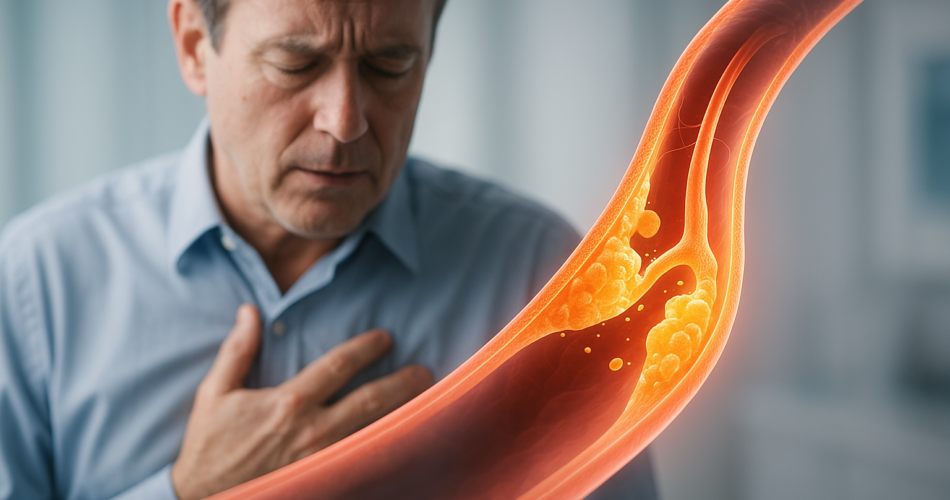
Clogged arteries rarely start with loud warnings. Instead, they progress quietly, limiting blood flow to organs until symptoms appear that seem unrelated at first glance. While chest pain is commonly understood as a red flag, most early indicators are subtle, easily ignored, or misdiagnosed.

This guide identifies seven silent signals that the circulatory system is struggling, how they develop, and what can be done to reduce risk and support heart and arterial health in a balanced, evidence-based manner.
Understanding Arterial Blockage
Arteries deliver oxygen-rich blood throughout the body, including the heart, brain, reproductive organs, and limbs. When plaque forms, it narrows these vessels, reducing blood flow.
What Causes Plaque Buildup
- Long-term inflammation
- High LDL cholesterol
- Smoking
- Chronic stress
- High blood sugar and diabetes
- Sedentary lifestyle
How Clogged Arteries Affect the Body
Reduced circulation means cells, tissues, and organs receive less oxygen. Over time, this can cause:
- Pain
- Weakness
- Organ malfunction
- Blood pressure spikes
- Heart attack and stroke
1. Erectile Dysfunction (Men) and Nighttime Leg Cramps (Women)
Why It Happens
Erectile ability depends on strong, fast blood flow. When arteries narrow, men often notice reduced function long before any heart symptoms.
For women, nighttime leg cramps often indicate impaired circulation in lower extremities due to plaque buildup, vein narrowing, or reduced oxygen delivery.
Pros and Cons
Pros
- Early detection sign of poor circulation
- Encourages vascular evaluation sooner
Cons
- Often attributed to hormones or aging
- May be ignored unless accompanied by other symptoms
2. Brain Fog and Memory Problems
Why Reduced Blood Flow Affects the Brain
The brain requires consistent oxygen supply. Narrow arteries mean weaker circulation, contributing to:
- Difficulty concentrating
- Forgetfulness
- Feeling mentally “slowed”
- Delayed reaction times
Pros and Cons
Pros
- Helpful early marker of restricted brain blood flow
- Prompts cognitive and vascular assessment
Cons
- Often misdiagnosed as stress or fatigue
- Symptoms can progress slowly and be missed
3. Chest Discomfort That Doesn’t Feel Like a Heart Attack
What This Sensation Means
Not every blocked artery produces dramatic chest pain. Some discomfort feels mild:
- Pressure
- Burning
- Tightness after climbing stairs
- Sudden heaviness after meals
It may not resemble typical heart attack pain but still signals restricted coronary circulation.
Pros and Cons
Pros
- Early indicator of coronary artery narrowing
- Helps avoid future cardiac events
Cons

- Frequently dismissed as acid reflux or muscle strain
- Often overlooked due to lack of intensity
4. Sudden Swelling in One Leg Only
What Doctors Overlook
When only one leg swells, it may signal vascular obstruction affecting venous return. Blood pools because it cannot move efficiently back to the heart.
Possible causes:
- Deep vein blockage
- Severe plaque narrowing
- Lymphatic backup due to impaired circulation
Pros and Cons
Pros
- Visible, measurable warning sign
- A prompt for vascular imaging
Cons
- Can mimic fluid retention or injury
- Often treated as a standalone leg issue
5. Leg Pain That Stops You in Your Tracks
How Circulation Failure Shows Up
Pain in the calves when walking, relieved by rest, is a key sign of peripheral artery disease (PAD). Muscles demand oxygen, but clogged arteries fail to deliver it.
Pros and Cons
Pros
- Strong indicator of peripheral arterial blockage
- Helps diagnose PAD early
Cons
- Misattributed to aging, exercise strain, arthritis
- Often ignored until mobility declines
6. Changes in Your Legs, Skin, and Nails
External Signs of Internal Blockages
When circulation weakens, outward changes develop:
- Shiny leg skin
- Thinning hair on legs
- Blue or purple discoloration
- Slow toenail growth
- Cold feet despite warm weather
Pros and Cons
Pros
- Visible signs allow non-invasive identification
- Helps track progression over time
Cons

- Easily mistaken for dermatologic issues
- Gradual development can delay diagnosis
7. Unexplained Fatigue That Won’t Go Away
Why Low Blood Flow Causes Exhaustion
When organs receive insufficient oxygen due to narrowed arteries, the body compensates by working harder. Fatigue follows despite adequate sleep or nutrition.
Pros and Cons
Pros
- Early systemic indicator of vascular strain
- Useful for lifestyle and dietary reevaluation
Cons
- Easily blamed on workload, age, or stress
- May take months to be recognized as circulatory
Prevention and Action Steps
Maintaining arterial health requires daily consistency rather than emergency intervention.
Foods to Support Arterial Health
- Fatty fish (omega-3 support)
- Garlic and ginger (circulation support)
- Berries (antioxidants)
- Leafy greens (nitrate-based vasodilation)
- Nuts and seeds (healthy fats)
- Olive oil (anti-inflammatory)
Habits That Improve Circulation
- 30–45 minutes of daily walking
- Avoiding tobacco
- Reducing processed fats and sugars
- Maintaining healthy blood pressure
- Managing stress hormones
- Regular cardiovascular screenings
Wrap-Up: Key Takeaways
Silent signs of arterial clogging can appear long before a major cardiovascular event. Erectile dysfunction, brain fog, one-leg swelling, subtle chest discomfort, and persistent fatigue are circulatory warnings worth identifying early. Recognizing these markers enables proactive care, dietary improvement, and lifestyle adjustments that support long-term arterial function and reduce risk of heart complications.
FAQs
1. Can clogged arteries be reversed naturally?
Certain diet and lifestyle strategies may improve arterial flexibility and reduce inflammation, but severe blockages require medical evaluation.
2. Are leg cramps always a circulation problem?
Not always. However, cramps combined with cold feet, swelling, or skin changes should prompt circulation assessment.
3. Is chest discomfort without pain still serious?
Yes. Mild tightness, pressure, or heaviness may indicate coronary restriction even when not severe.
4. What test confirms arterial blockage?
Common methods include ultrasound Doppler studies, CT angiography, stress tests, and coronary calcium scoring.
5. Does fatigue alone indicate artery problems?
Fatigue has many causes, but when combined with reduced circulation symptoms, it may signal arterial narrowing.